Our vision
Science helps pupils understand the world through curiosity, evidence and explanation. Through the CUSP Science curriculum, pupils learn how the natural and physical world works and how scientific knowledge has been built over time.
Our science curriculum is ambitious, carefully sequenced and built on evidence‑led practice so that all pupils can think, work and reason like scientists.
What children learn
Science is taught from Early Years to Year 6, following the National Curriculum in a carefully sequenced and connected way. Learning builds cumulatively so that pupils revisit and deepen understanding over time.
Science is organised into three subject domains:
- Biology – living things and life processes
- Chemistry – materials and their properties
- Physics – forces, energy, light, sound and space
Substantive knowledge
Pupils build secure scientific knowledge through clearly sequenced studies. Examples include:
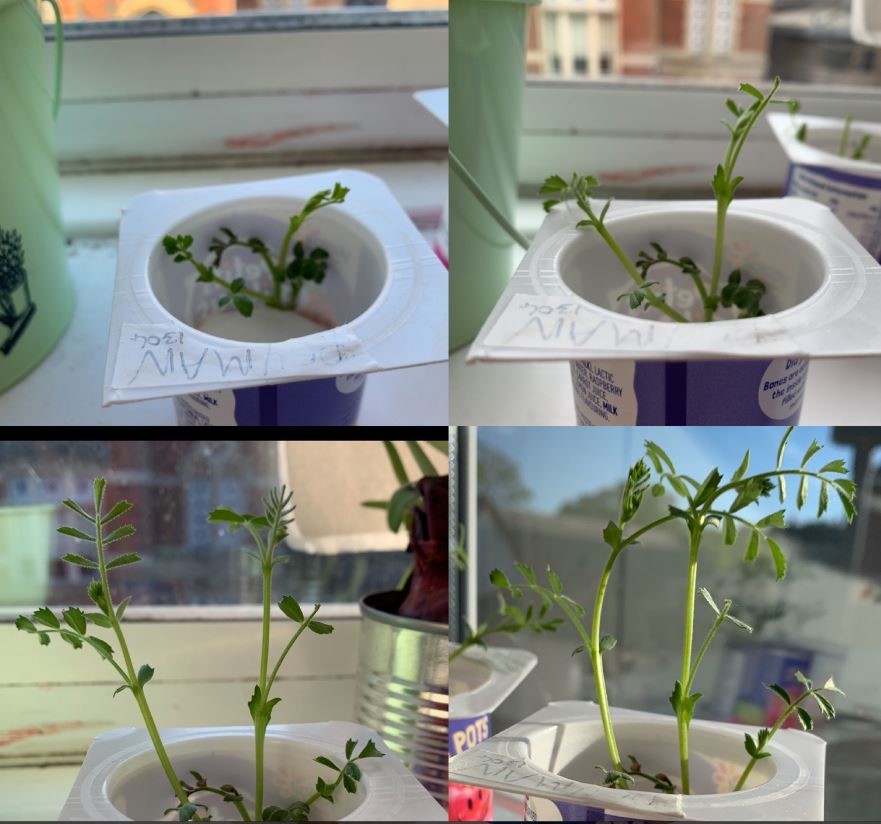
- Plants, animals (including humans) and habitats
- Materials, states of matter and changes
- Light, sound, electricity and forces
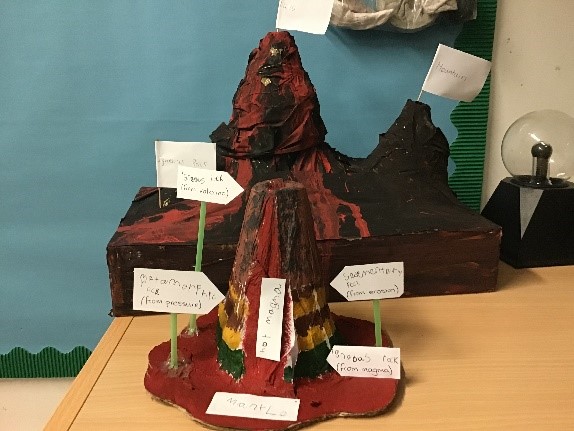
- Earth and space
- Evolution and inheritance
Key scientific vocabulary is taught explicitly so pupils can describe, explain and reason accurately.
Working scientifically
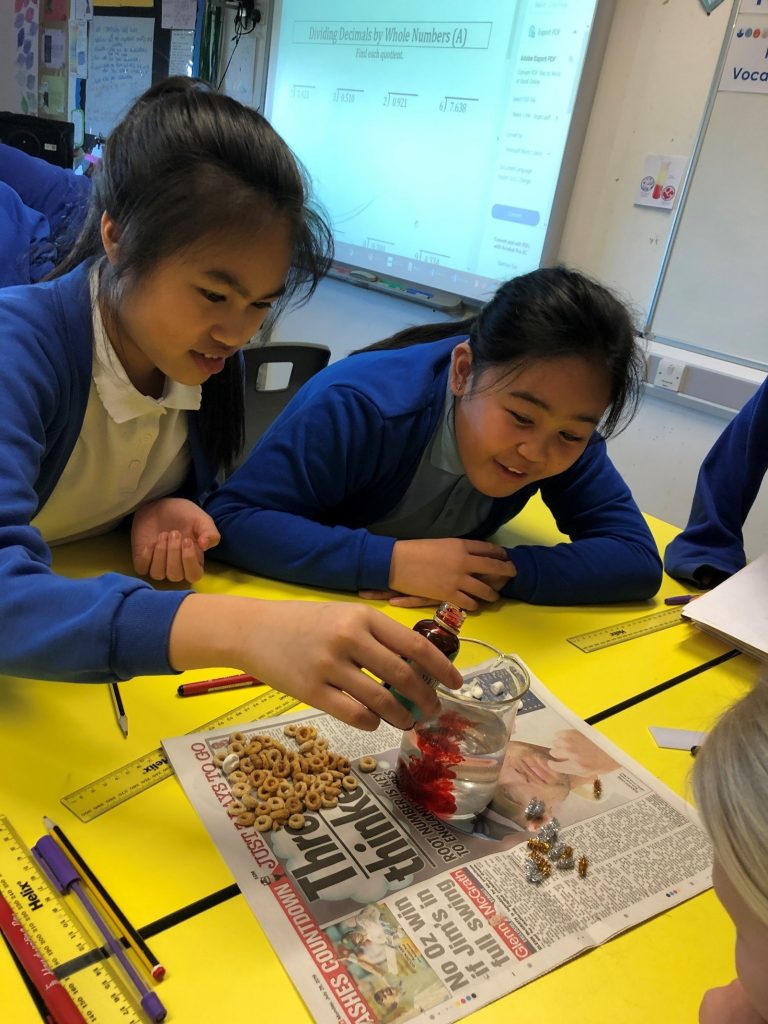
Alongside knowledge, pupils learn how to do science. This is known as Working Scientifically and is taught deliberately throughout the curriculum.
Pupils are taught to:
- Ask scientific questions
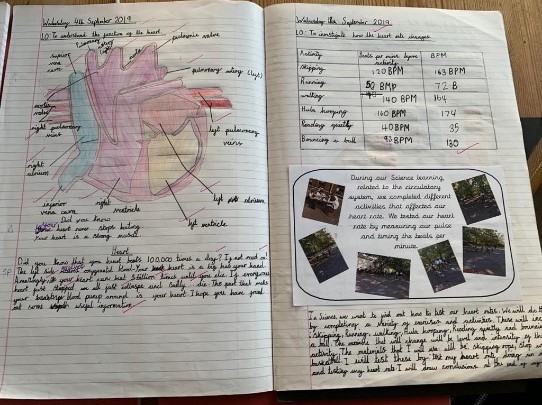
- Observe closely and measure accurately
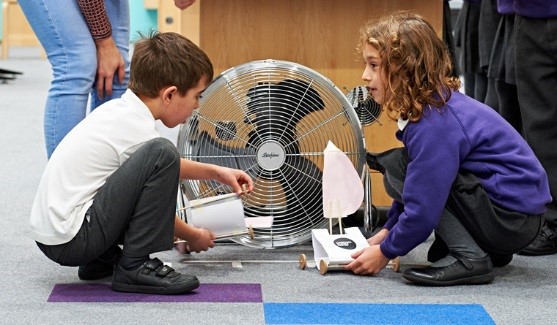
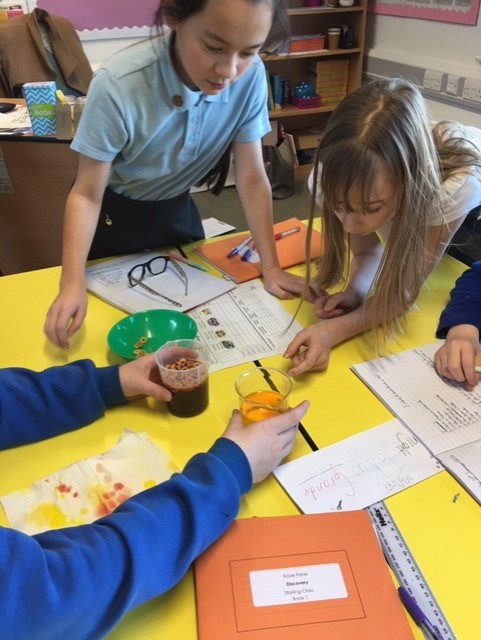
- Plan and carry out investigations
- Identify and classify
- Look for patterns
- Use fair and comparative tests
- Record, explain and evaluate results
These skills grow in complexity as pupils move through the school.
Thinking scientifically
Pupils are encouraged to think deeply using their knowledge. This includes:
- Explaining cause and effect
- Identifying patterns and relationships
- Challenging misconceptions
- Using evidence to justify conclusions
Scientific thinking is always rooted in secure knowledge, not guesswork.
A carefully sequenced curriculum
Science learning is deliberately ordered so that new knowledge builds on what pupils already know. Important concepts are revisited and strengthened over time, helping pupils develop a coherent mental model of science.
Examples of progression include:
- From simple observations in Early Years
- To structured investigations in Key Stage 2
- To applying knowledge in increasingly abstract contexts by Year 6
Scientists and scientific stories
Pupils learn about significant scientists, past and present, to understand how scientific knowledge develops and changes. This includes scientists such as:
- Galileo Galilei
- Charles Darwin
- Alfred Wallace
- Maria Merian
- Carl Linnaeus
These studies help pupils understand that science is shaped by evidence, questioning and refinement over time.
Vocabulary and reading
Strong emphasis is placed on scientific vocabulary, including both everyday and technical terms. Pupils also engage with high‑quality non‑fiction texts, helping them build background knowledge and read like scientists.
Assessment and progress
Assessment in science is ongoing and purposeful. Teachers check understanding through discussion, observation, quizzes and explanations.
Progress is measured by how well pupils:
- Remember and use scientific knowledge
- Apply working scientifically skills
- Explain ideas clearly using evidence
The focus is on long‑term understanding, not isolated facts.
Inclusion and support
The CUSP Science curriculum is designed so that all pupils access the same ambitious curriculum. Lessons are adapted through clear explanations, visual supports, structured tasks and opportunities for oral rehearsal.
In summary
Through the CUSP Science curriculum, children leave primary school with:
- Secure scientific knowledge across biology, chemistry and physics
- Confidence in asking questions and investigating
- The ability to explain the world using evidence
- Curiosity, critical thinking and scientific literacy
Science at our school helps pupils understand the world — and how to think about it scientifically.
British Science Week at Westfield – Science Week | Westfield Primary Academy