Our vision
PSHE education is central to our commitment to educating the whole child. Through our PSHE curriculum, children develop the knowledge, skills and attitudes they need to stay safe, be healthy, build positive relationships and thrive as respected members of society.
At our school, PSHE is not an add‑on. It is a fundamental part of our curriculum and school culture, supporting pupils’ wellbeing, confidence and readiness for life beyond primary school.
What PSHE includes
PSHE stands for Personal, Social, Health and Economic education. It brings together:
- Relationships Education (statutory)
- Health Education (statutory)
- Age‑appropriate economic education (e.g. understanding money and work)
- Citizenship education, including British Values
All statutory content is delivered within our wider PSHE programme.
How PSHE is taught
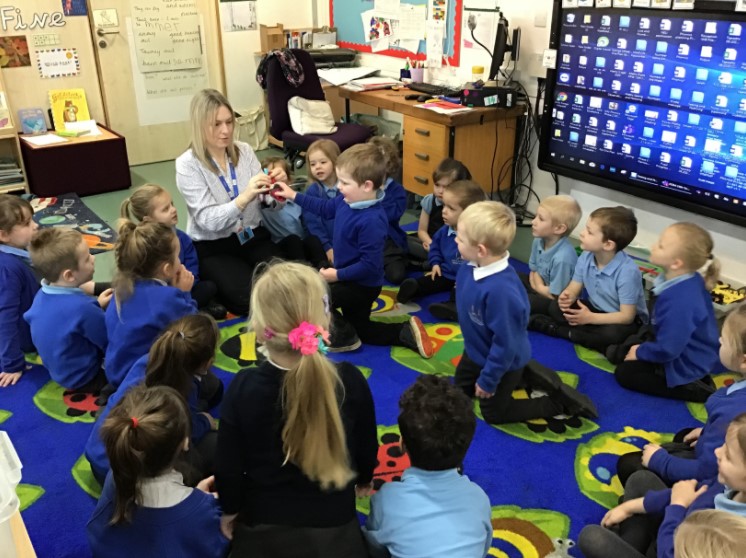
PSHE is taught weekly in dedicated lessons by class teachers and reinforced throughout school life. Learning is carefully planned to be age‑appropriate, inclusive and developmental, meaning key ideas are revisited as children mature.
We use the Jigsaw PSHE 3–11 programme as our curriculum framework. This provides consistency, progression and high‑quality resources that reflect current statutory guidance and best practice.
The Jigsaw approach
Jigsaw supports children’s personal development through a distinctive whole‑school approach:
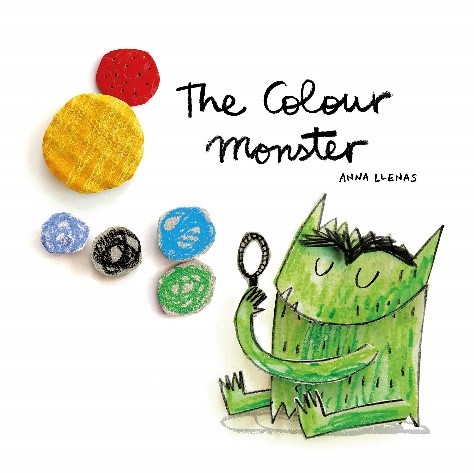
- Emotional literacy – children learn to recognise, name and talk about feelings
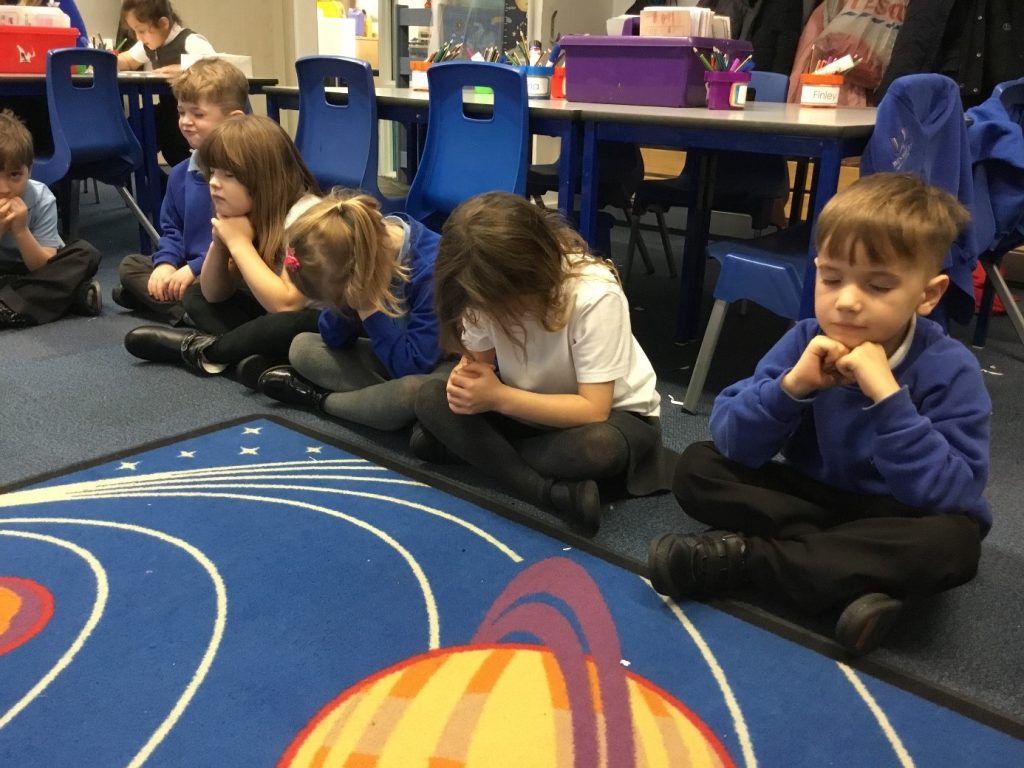
- Mindfulness – every lesson begins with calm, reflective time to support focus and wellbeing
- Communication skills – pupils practise listening, expressing opinions and respectful discussion
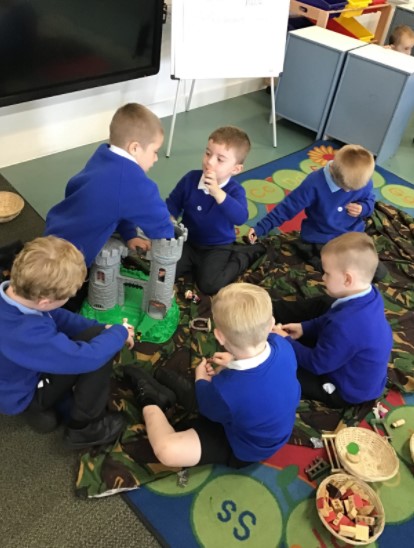
- Active learning – lessons include discussion, role‑play, stories and problem‑solving
- Spiral curriculum – topics return each year with increasing depth and understanding
The six PSHE themes
The PSHE curriculum is organised into six half‑termly themes (called Puzzles):
- Being Me in My World – identity, community, responsibility and democracy
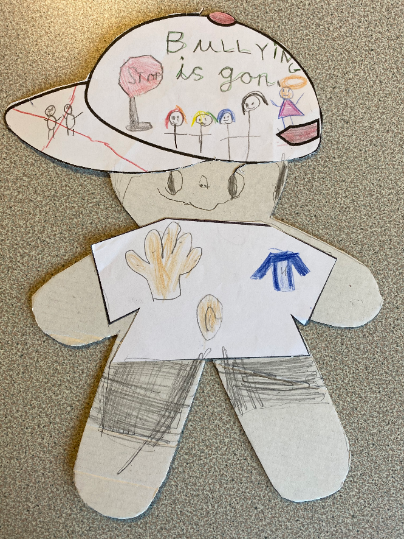
- Celebrating Difference – respect, diversity, empathy and anti‑bullying
- Dreams and Goals – resilience, aspirations, teamwork and achievement
- Healthy Me – physical health, mental wellbeing, safety and healthy choices
- Relationships – friendships, families, communication, conflict and loss
- Changing Me – growing up, life cycles, body changes and coping with change
Relationships and Health Education
Children learn how to build safe, respectful and positive relationships, both offline and online. Health education focuses on:
- Mental wellbeing and emotional health
- Physical health, fitness and healthy eating
- Internet safety and digital awareness
- Personal safety and basic first aid
- Understanding body changes, including puberty
These lessons support safeguarding by helping children recognise concerns and seek help confidently.
Sex education
Sex education is not compulsory in primary schools. Where taught, it is delivered in line with national guidance and clearly distinguished from statutory science and health content. Parents are informed in advance and have the right to withdraw their child from non‑statutory sex education lessons (but not from Relationships, Health or Science content).
Inclusion, respect and equality
Our PSHE curriculum:
- Reflects diverse families and communities positively
- Challenges stereotypes and discrimination
- Promotes kindness, equality and respect for all
- Is adapted thoughtfully for pupils with SEND
- Is delivered in a sensitive, factual and age‑appropriate way
Children are helped to understand their rights and responsibilities, including protected characteristics under UK law, without introducing unnecessary complexity.
Assessment and progress
Assessment in PSHE is ongoing and formative. Teachers observe participation, discussion and reflection to ensure pupils are developing:
- Knowledge and understanding
- Emotional literacy and self‑awareness
- Social and communication skills
- Confidence in applying learning to real‑life situations
Progress in PSHE supports positive behaviour, wellbeing and readiness for secondary school.
In summary
Through our PSHE curriculum, children leave primary school with:
- Strong emotional awareness and wellbeing strategies
- Respect for themselves and others
- Skills to build healthy, positive relationships
- Knowledge to make safe, informed decisions
- Confidence to ask for help and speak up
PSHE at our school helps every child flourish personally, socially and emotionally — now and in the future.
At Westfield we take part in the Unity Schools Partnership Keep Safe Month – Keep Safe Month | Westfield Primary Academy